In today’s automotive landscape, extended vehicle warranties—also known as vehicle service contracts or protection plans—offer peace of mind beyond factory coverage. Websites like https://start.vehicleprotectionusa.com/ promise quick, free quotes for these plans, highlighting savings and flexible options. This article explores the site, how vehicle protection quotes work, potential benefits and pitfalls, legitimacy considerations, user implications, and better ways to shop for coverage.
What is Start.VehicleProtectionUSA.com?
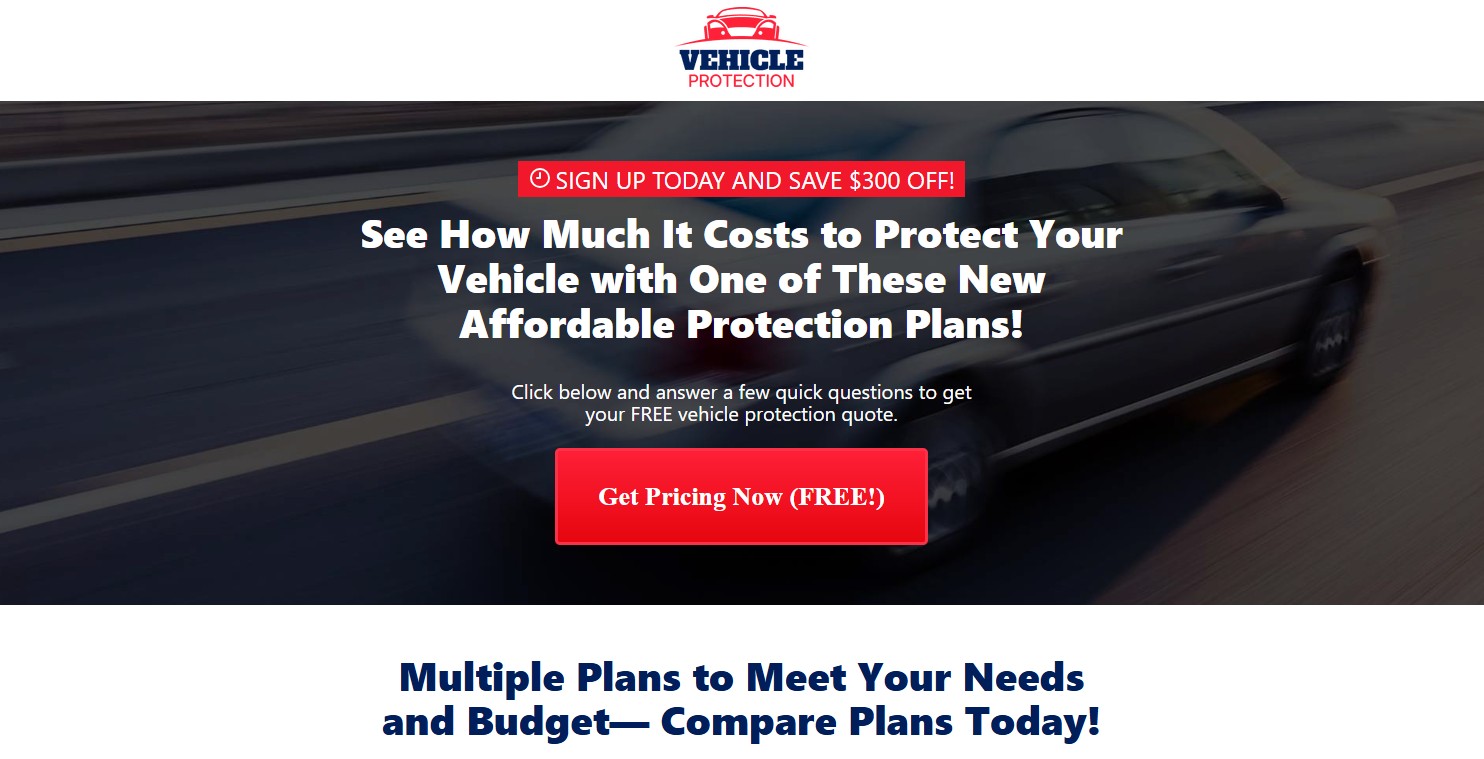
The subdomain https://start.vehicleprotectionusa.com/ functions as a promotional landing page for Vehicle Protection USA. The main headline reads “Vehicle Protection USA,” with bold taglines like “SIGN UP TODAY AND SAVE $300 OFF!” and “See How Much It Costs to Protect Your Vehicle with One of These New Affordable Protection Plans!”
Key promotional elements include:
- A call to action: “Click below and answer a few quick questions to get your FREE vehicle protection quote.”
- Highlighted benefits: Choose any certified mechanic, 24-hour roadside assistance, 30-day money-back guarantee, and multiple plans for different needs and budgets.
- Repeated buttons: “Get Pricing Now (FREE!)” linking to an external form.
The page is simple and single-focused, directing users to a Jotform questionnaire for quote requests. A disclaimer states: “VehicleProtectionUSA.com is not responsible for the offers, products or services provided by Service Providers.”
Notably absent: Detailed plan specifics, pricing tables, company address, phone number, terms of service, or privacy policy links. The copyright claims “Copyright © VehicleProtectionUSA.com. All Rights Reserved.” This setup indicates a lead generation site rather than a direct provider or insurer.
Understanding Extended Vehicle Warranties
Factory warranties typically cover 3-5 years/36,000-60,000 miles. Extended plans kick in afterward, protecting against costly repairs for components like engines, transmissions, and electronics.
Common coverage:
- Powertrain: Basic (engine, transmission).
- Bumper-to-bumper: Comprehensive exclusionary.
- Add-ons: Roadside assistance, rental car reimbursement, trip interruption.
Providers include manufacturer-backed (e.g., Ford Protect), third-party administrators (Endurance, CarShield), and dealership offerings. Costs range $1,000-$4,000 total, depending on vehicle age, mileage, and coverage level—often payable monthly.
Benefits: Transferable for resale value, nationwide repair networks. Drawbacks: Exclusions (wear/tear, pre-existing issues), deductibles, claim denials.
How Sites Like This Operate
Lead generation platforms collect user data (vehicle make/model/year, mileage, ZIP code, contact info) via forms. This information sells to multiple warranty companies or agents, who then contact users with quotes.
The process:
- User submits “quick questions” on the form.
- Data routes to partners.
- Expect calls/emails/texts from salespeople.
- Quotes vary; sales pressure common.
The “$300 OFF” incentive likely applies conditionally upon purchase. The external Jotform link (with tracking parameters like utm_source=tier1) suggests affiliate marketing— the site earns per lead or sale.
Such sites advertise heavily via mailers mimicking official notices (“Final Warranty Notice”) or online ads, creating urgency.
Realistic Expectations
Promises of “new affordable” plans and big savings appeal, especially for older vehicles facing $2,000+ repairs. Legitimate plans provide value—average claims cover costs over time.
However:
- Quotes aren’t instant on-site; require follow-up.
- “Free” means no upfront quote fee, but leads to sales pitches.
- Savings like $300 are marketing hooks, not guaranteed.
- Third-party plans sometimes face slower claims or denials compared to manufacturer ones.
Industry data shows many buyers save money long-term, but satisfaction varies—Consumer Reports notes mixed reliability for third-party providers.
Legitimacy and Transparency Concerns
VehicleProtectionUSA.com lacks visible company details—no address, license info, or regulatory filings. The disclaimer shifts responsibility to “Service Providers,” common for lead gens to avoid liability.
No widespread reviews or complaints appear for this exact domain, possibly due to low traffic or recent setup. Similar sites often tie to networks with mixed reputations—some deliver real quotes from reputable providers (e.g., CARCHEX, Protect My Car), others flood with spam.
Red flags:
- No privacy policy or terms links.
- External form host (Jotform) for data collection.
- Vague provider details.
- Urgency tactics without substantiation.
It’s likely legitimate as a marketer but operates in a gray area—prioritizing leads over education. Not a scam (no upfront payment demands), but transparency is minimal.
Risks Involved
Primary downsides:
- Contact overload: Multiple daily calls/texts until opting out.
- Data sharing: Info sold broadly, increasing spam/phishing risk.
- High-pressure sales: Agents push unnecessary coverage.
- Variable quality: Partner plans may have poor claim experiences.
- No direct control: Can’t compare quietly online.
Worse-case: Data misuse or aggressive telemarketing violating Do Not Call lists (though TCPA compliance varies).
Tips for Shopping Safely
If considering extended coverage:
- Research vehicle reliability (e.g., Consumer Reports, RepairPal).
- Get quotes directly from providers: Endurance, CarShield, Omega Auto Care.
- Check administrator ratings (BBB, Trustpilot).
- Read contracts thoroughly—exclusions, transferability.
- Avoid decisions under pressure.
- Use official mail from manufacturers for their plans.
- Register on National Do Not Call Registry.
For quotes without hassle:
- Independent sites like WarrantyWizard or direct company portals.
- Credit union partnerships often offer discounted plans.
Better Alternatives
Reputable options:
- Manufacturer extended: Best integration, but pricier.
- Endurance: Direct-to-consumer, strong reviews.
- CARCHEX: Highly rated, multiple plans.
- CarShield: Flexible, advertised heavily but verifiable.
- AAA Vehicle Protection: Member perks.
Comparison tools like Bankrate or NerdWallet provide education without aggressive leads.
Self-insure via savings for reliable vehicles, or maintain properly to minimize needs.
Conclusion
https://start.vehicleprotectionusa.com/ exemplifies the entry point for many into vehicle protection shopping—enticing with free quotes and savings promises. As a lead generation page, it connects users to potential plans offering valuable coverage like roadside assistance and repair flexibility.
Approach cautiously: The lack of transparency and reliance on partner contacts suit some but frustrate others seeking straightforward comparisons. Extended warranties make sense for certain drivers, providing financial security against breakdowns.
Prioritize direct, reviewed providers for control and reliability. Research independently, understand needs, and avoid urgency-driven decisions. With informed choices, vehicle protection enhances ownership without unnecessary risks.