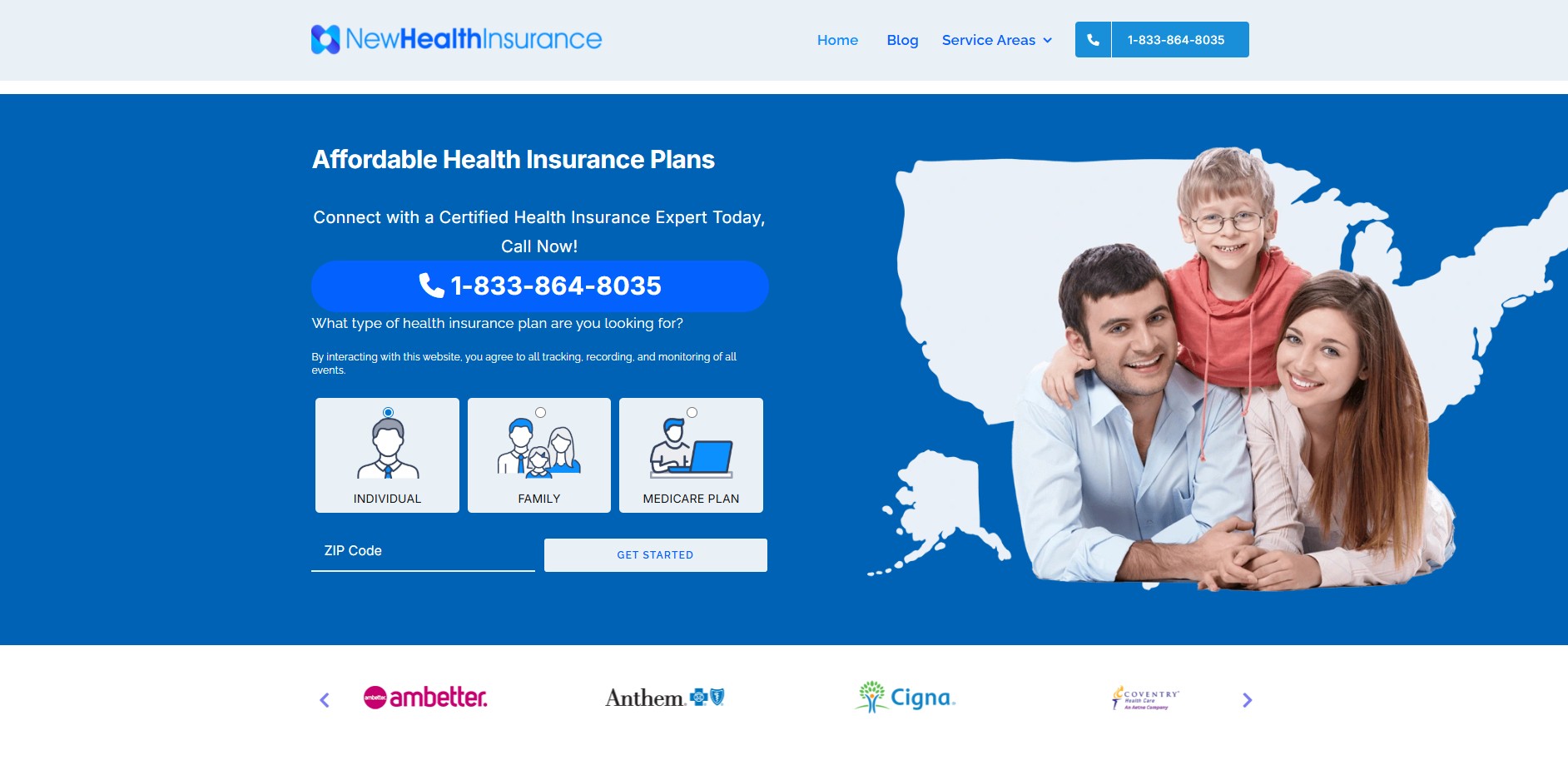
In late December 2025, as the Affordable Care Act (ACA) Open Enrollment Period for 2026 coverage wraps up on January 15, millions of Americans are scrambling to secure health insurance. With enhanced ACA subsidies extended through 2025 but set to potentially expire, premiums are rising sharply—averaging increases of 26% for 2026 plans in some analyses. National averages for unsubsidized Silver marketplace plans hover around $680 monthly for a 40-year-old, though subsidies can drop effective costs to $50 or less for many. For those outside employer coverage, options like brokers become crucial. NewHealthInsurance.com positions itself as an accessible online broker helping individuals, families, and those in transition find affordable plans.
NewHealthInsurance.com is a health insurance brokerage firm based in Fort Worth, Texas, focused on connecting consumers with tailored coverage. The site emphasizes quick, no-obligation quotes and expert guidance to protect health and finances. As a broker, it doesn’t underwrite policies but partners with providers to offer options, including ACA-compliant plans, short-term coverage, and supplements.
The Evolving Health Insurance Landscape in 2025–2026
Health insurance costs continue upward trajectory. Forbes reports average unsubsidized ACA marketplace premiums at about $7,080 annually, influenced by age, location, metal tier (Bronze to Platinum), and tobacco use. Bronze plans offer lowest premiums but highest deductibles; Silver often provides best value via cost-sharing reductions for eligible incomes.
Rising medical costs, prescription drugs (e.g., GLP-1 medications), and insurer expectations around subsidy changes drive hikes. KFF notes many enrollees could face sharper net increases if enhanced tax credits lapse post-2025.
Alternatives gain attention: short-term plans (up to 3–4 years in some states, lower premiums but limited benefits, no pre-existing condition protections), fixed indemnity, health sharing ministries, or supplemental coverage. NPR and Marketplace.org warn these “cheaper” options often lack comprehensive protections, risking high out-of-pocket costs for serious illness.
For comprehensive coverage, experts recommend Healthcare.gov or state marketplaces, where subsidies apply. Licensed brokers can assist without extra cost, as they’re compensated by carriers.
What NewHealthInsurance.com Offers
The platform streamlines shopping with a simple process: Enter ZIP code and basic info for instant quotes from trusted providers. Quotes take under 5 minutes, followed by optional expert help for enrollment. Key offerings include:
- Individual and Family Plans — ACA-compliant options with potential subsidies.
- Short-Term Health Insurance — Temporary coverage (1 month to 3 years), often cheaper than ACA for healthy applicants; ideal for gaps like job transitions or unemployment.
- Supplemental Plans — Medigap for Medicare beneficiaries, dental/vision (e.g., stand-alone senior dental $28–$60/month), critical illness.
- Medicare Supplements — Automatically renewing if premiums paid.
Blog resources cover state-specific guides (e.g., best 2026 options in North Dakota, North Carolina, New York), subsidy tips, HMO vs. PPO differences, and metal tier explanations.
Availability appears focused on select states, with content highlighting ND, NC, NY. Contact: 1-833-864-8035 or email.
Unique selling points: Fast quoting, certified expert support, emphasis on affordability for unemployed or subsidy-eligible.
Pros, Cons, and Customer Considerations
Pros:
- Convenience for quick comparisons without navigating Healthcare.gov alone.
- Short-term options for those ineligible or awaiting ACA enrollment.
- Educational blog for informed decisions.
- No direct fees—broker model.
Cons and cautions:
- Limited state focus may restrict options.
- Heavy promotion of short-term plans, which experts like those at Georgetown University warn lack ACA protections (no essential benefits guarantee, potential denials for pre-existing conditions).
- Sparse independent reviews; one positive user experience notes time savings and lower costs via comparisons, but broader searches yield few verified testimonials.
- Broker sites sometimes prioritize commission-driven products; always verify if plans are ACA-compliant if subsidies/pre-existing protections needed.
Industry-wide, similar broker sites face scrutiny for steering toward non-comprehensive alternatives amid rising ACA costs.
Comparing to Top Alternatives and Brokers
For 2026, standout marketplace providers per Investopedia and KFF include Kaiser Permanente (lowest Silver premiums ~$484/month average), Blue Cross Blue Shield, and UnitedHealthcare for broad networks.
Popular brokers/enrollment platforms:
- eHealth → Long-established, wide carrier access, strong reviews.
- HealthMarkets or local independent agents → Personalized service.
- Direct via Healthcare.gov → Free, impartial, maximizes subsidies.
Reddit discussions favor licensed brokers for ACA plans, noting they confirm networks, prescriptions, and process payments efficiently—without increasing costs.
For non-ACA needs, short-term via sites like Pivot Health or AgileHealthInsurance.
How to Choose and Enroll Wisely
Steps recommended by NewHealthInsurance.com and experts:
- Assess needs: Comprehensive (ACA) vs. temporary (short-term).
- Check subsidy eligibility on Healthcare.gov preview tool.
- Compare quotes from multiple sources.
- Review plan details: Networks, drug formularies, out-of-pocket max.
- Enroll by January 15, 2026, for February start (or qualifying events year-round).
Prioritize ACA for robust protection, especially with family or conditions. Short-term suits healthy individuals in gaps but isn’t substitute for major medical.
Final Thoughts: Finding Coverage That Fits
As 2025 ends and 2026 premiums loom higher, tools like NewHealthInsurance.com offer entry point for exploring options, particularly short-term or supplemental coverage in supported states. However, for most seeking comprehensive, subsidy-eligible plans, starting at Healthcare.gov or with verified broker ensures best protections.
Health insurance is deeply personal—balancing cost, coverage, and risk. Consult licensed professionals, read fine print, and act before deadlines. Whether through NewHealthInsurance.com or official channels, securing coverage provides essential peace of mind in uncertain times.